 CHINA 5A TRAVEL
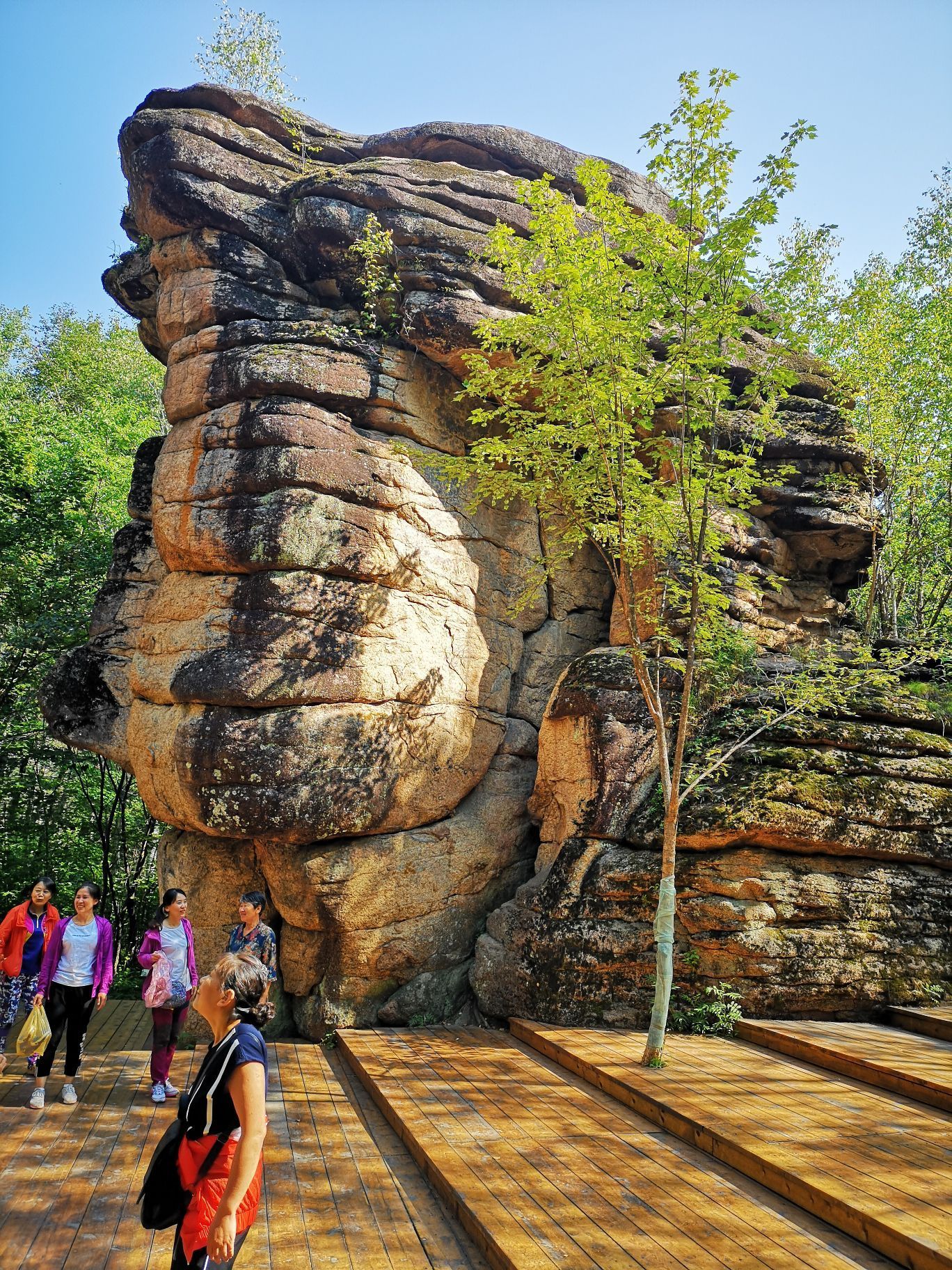
Yichun's only 5A park — a 190-km² Lesser Khingan forest where 200-million-year granite monoliths, led by the 35-cm Thread of Sky, tower over primeval pines.
In the heart of the Lesser Khingan Range (小兴安岭), the Tangwang River Linhai Qishi Scenic Area (汤旺河林海奇石景区) — literally the 'Forest-Sea of Fantastic Rocks' — protects some 190 km² of what geologists describe as China's richest, most complete and most typical cluster of Indosinian granite relics, the only one of its kind yet discovered in the country. It has been Yichun's only national 5A scenic area — and Heilongjiang's first — since 2013, set in a city that styles itself China's Forest Capital and keeps forest cover inside the park above 98 percent. Some 200 million years ago the granite crystallized deep underground; tectonic movements lifted it, and water, freeze–thaw and wind spent eons carving it into peak forests, solitary monoliths, collapse boulders and fissure mazes. More than 100 free-standing stone towers now rise straight out of the conifers, giving the park its motto-image: 'trees grow on stone, and stone hides in the forest.'
The park unfolds across six landscape zones strung together by shuttle buses and boardwalks. Its signature is A Thread of Sky (一线天): two granite walls, 26.13 and 17.97 meters tall, stand facing each other with a gap that narrows to just 35–45 centimeters — a vertical slot that admits one sideways visitor and a ribbon of blue above. Around it waits a gallery of named mimicry monoliths — Lucky Stone, which reads as four different rocks from four angles; Xing'an Stacked Rock, a 'whispering rock' that carries a soft voice from face to face; soldier-straight Zhenhai General. Farther on lie the boulder shaped like a seated Guanyin gazing over the tree sea, an oxygen-bar boardwalk of streams, suspension bridge and waterfall, and a primeval Korean-pine forest — with tame chipmunks and pikas patrolling the walkways and more than 1,240 plant and animal species of the Lesser Khingan recorded here.
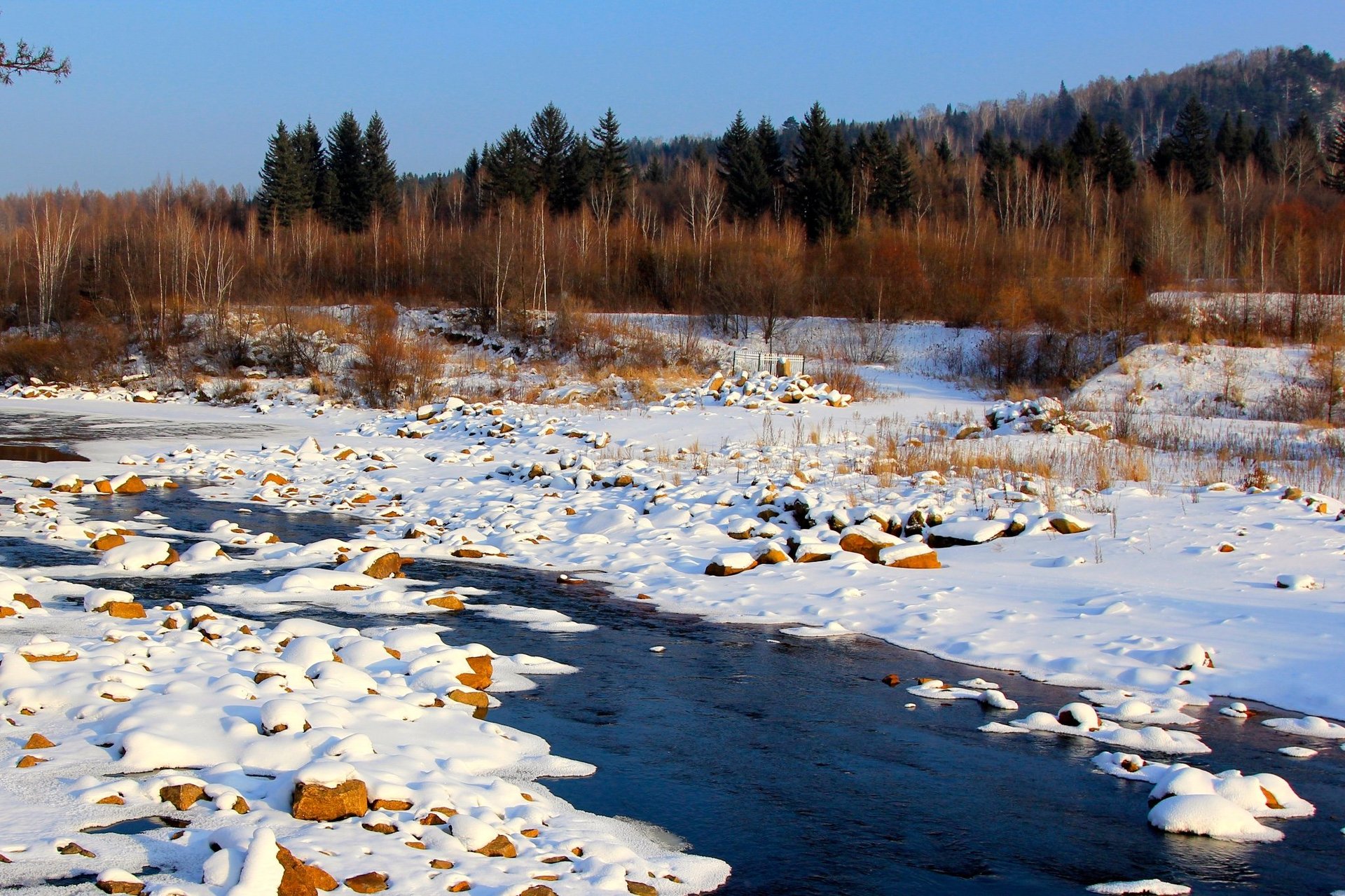
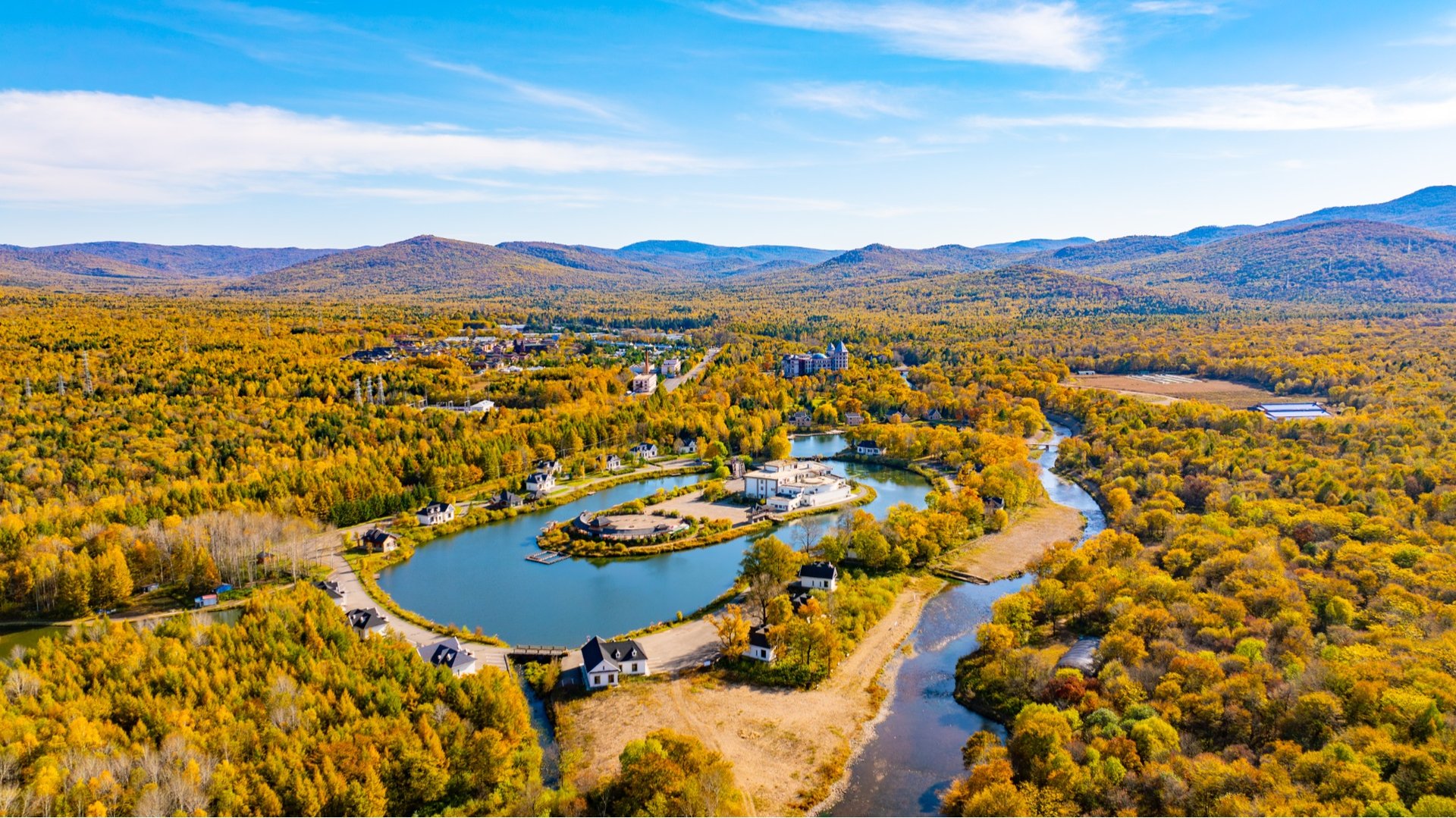
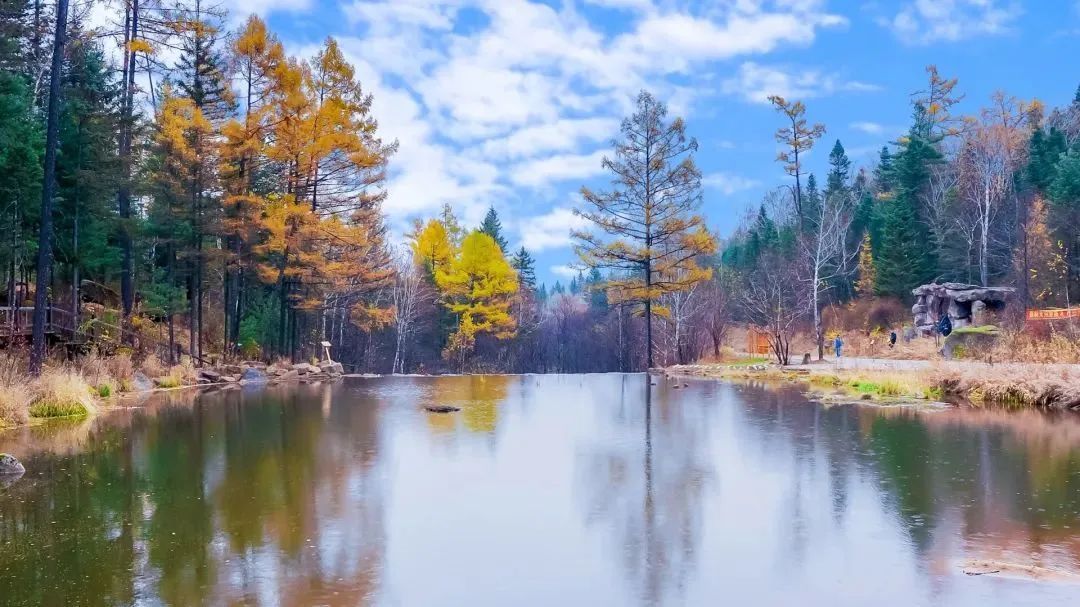
Two windows rule the calendar. From mid-June to August the park is a 20–22°C forest retreat — Yichun's 'natural air-conditioner' reputation is no exaggeration — all deepest green and lung-fresh air. From mid-September to early October comes 'five-flower mountain' season, when larch gold, maple red and birch yellow layer the ridges and the park ranks among Heilongjiang's top three for fall color, rating around 4.6 of 5 from thousands of travelers. Access, meanwhile, has just been transformed: the Harbin–Yichun high-speed railway — China's northernmost — opened on September 28, 2026, cutting Harbin to Yichun West to about 1 hour 46 minutes. The natural pairing is Jiayin Dinosaur National Geopark, 74 km northeast: granite born 200 million years ago in the morning, the 'First Dragon of China' of 1902 fame in the afternoon.
Highlights
A Thread of Sky
Two granite walls 26.13 m and 17.97 m tall part by just 35–45 cm — a vertical slot for one sideways visitor, glowing with morning sunbeams.
The Named Monoliths
More than 100 frost- and wind-carved towers, each with a name and legend: Lucky Stone, the whispering Xing'an Stacked Rock, Zhenhai General, Elephant-Trunk Stone.
Forest Guanyin & the Sightseeing Tower
A boulder in the silhouette of a seated Guanyin over the tree sea, beside the optional 360° tower deck — the park's best panorama.
Oxygen-Bar Boardwalk
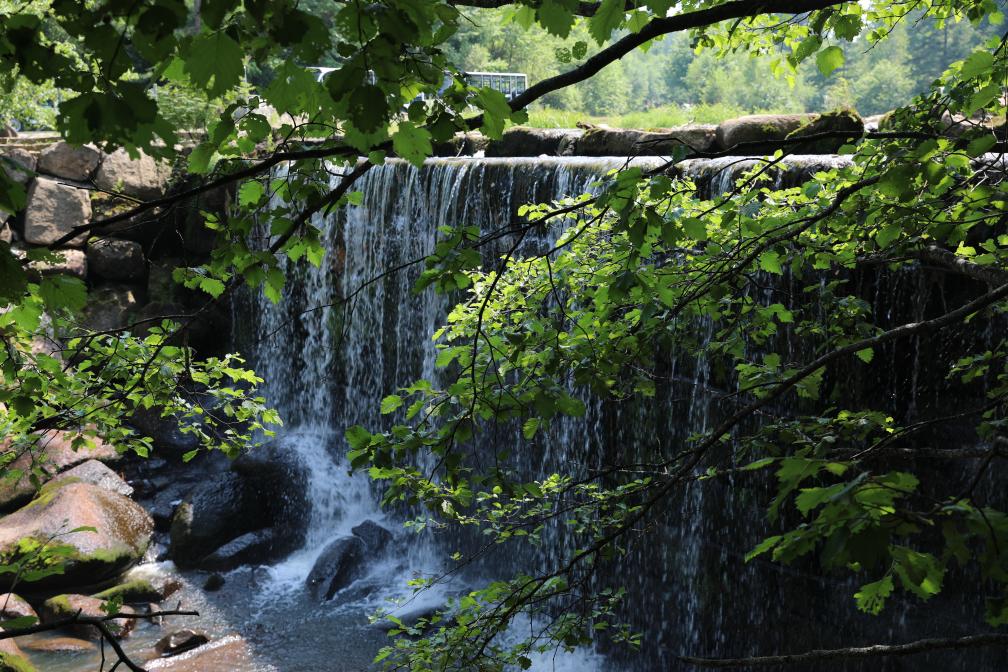
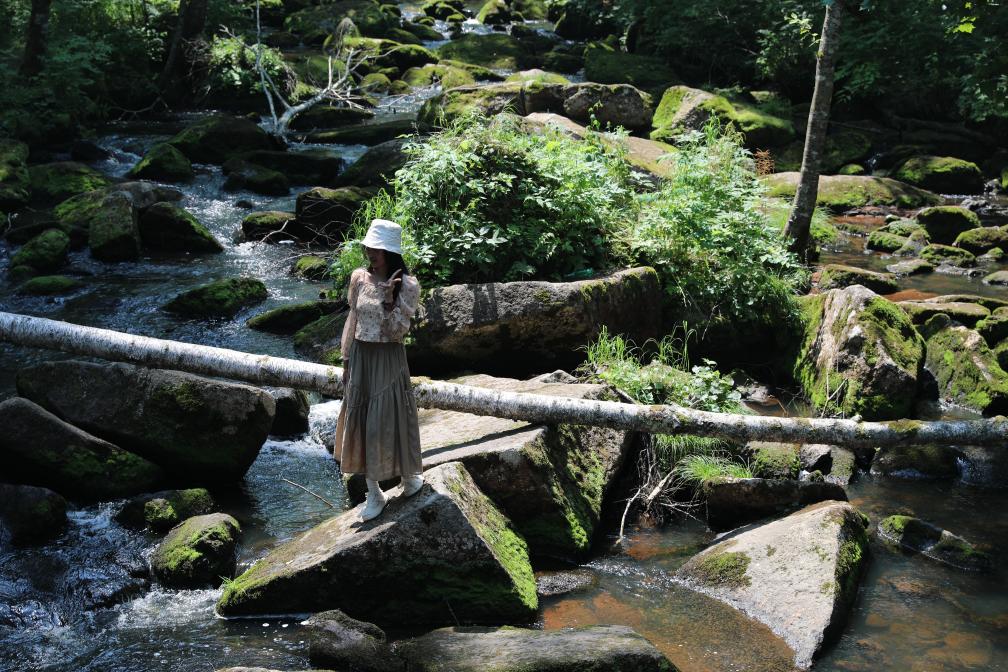
Streams, a suspension bridge and a waterfall under full canopy — reported summer negative-ion counts of 8,000–10,000 per cm³.
Virgin Korean Pine Forest
Tertiary-relict Pinus koraiensis with birch groves, a lingonberry garden, windstorm relics and old fire scars — forest succession as an open-air lesson.
Five-Flower Mountain Autumn
From mid-September the ridges layer larch gold, maple red and birch yellow — a top-three fall show in Heilongjiang, its most photogenic and busiest two weeks.
Photo Gallery
Comments