 CHINA 5A TRAVEL
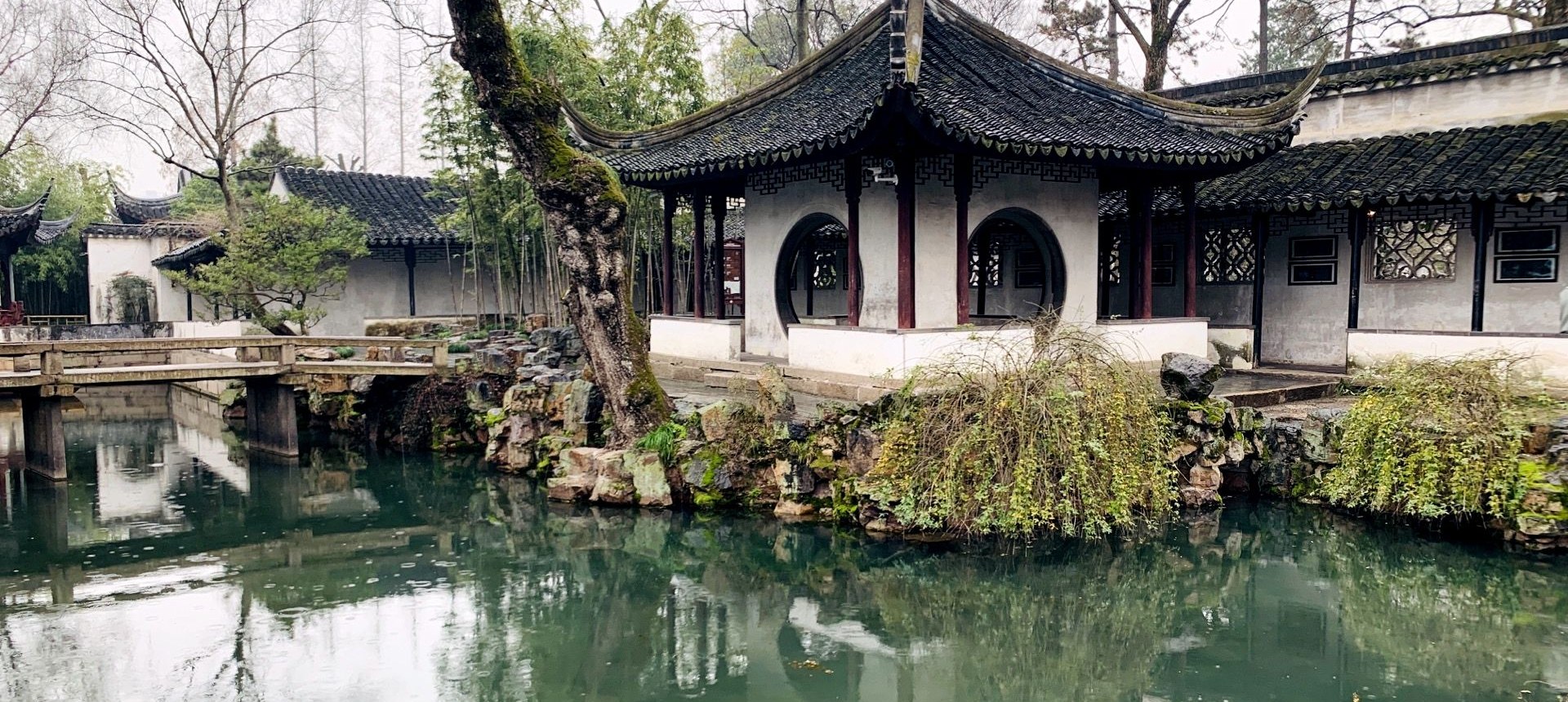
The largest and most celebrated of Suzhou's classical gardens — a 16th-century water-centred masterpiece of borrowed scenery, latticed windows and pavilion-dotted ponds, paired with the city's garden history museum at its southern gate.
Built in 1509 for a retired censor who styled himself a failed — hence 'humble' — administrator, the garden grew around a central pond: hillocks and groves to the east, exquisitely detailed halls to the west, and in the middle the pool-and-mound composition that painters have been quoting ever since. Together with the Summer Palace, Chengde and the Lingering Garden it ranks among China's four great gardens, and as UNESCO World Heritage.
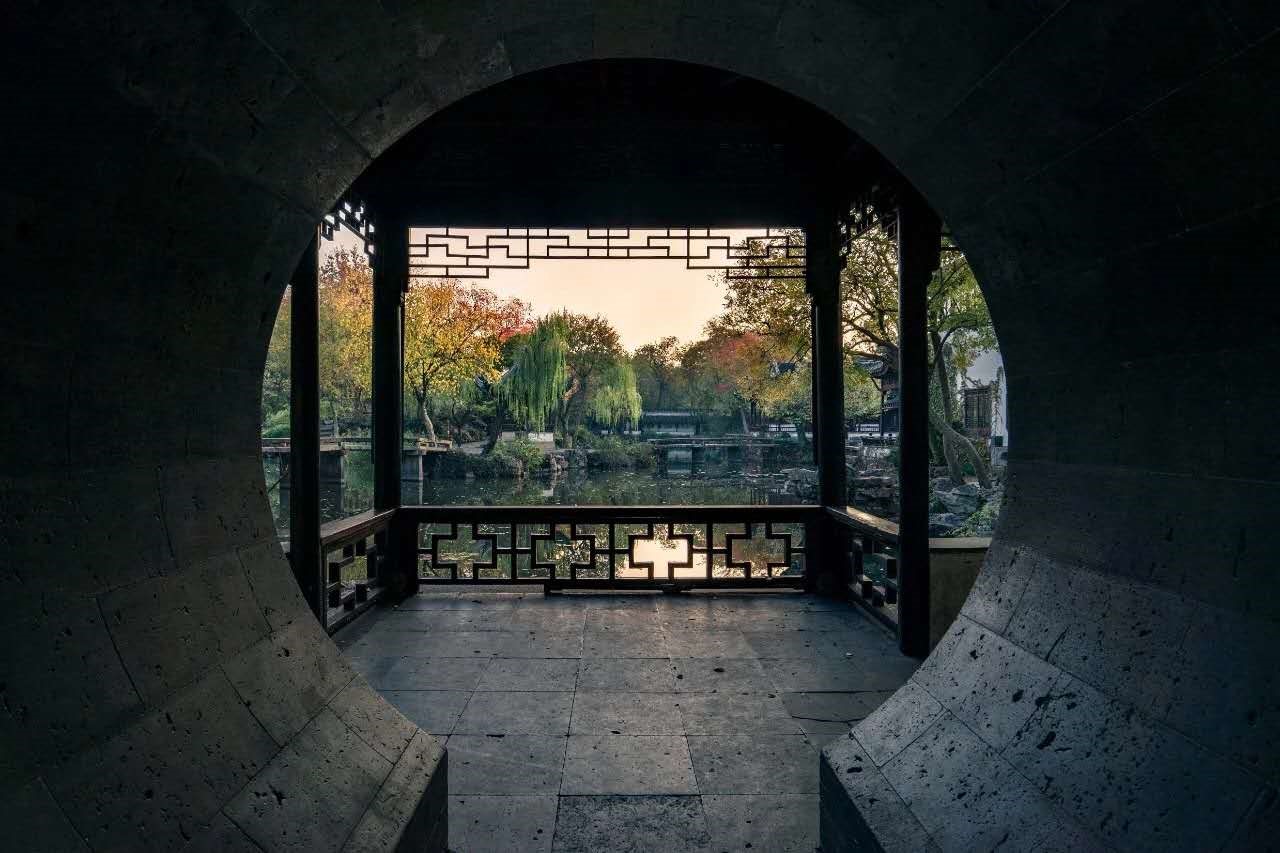
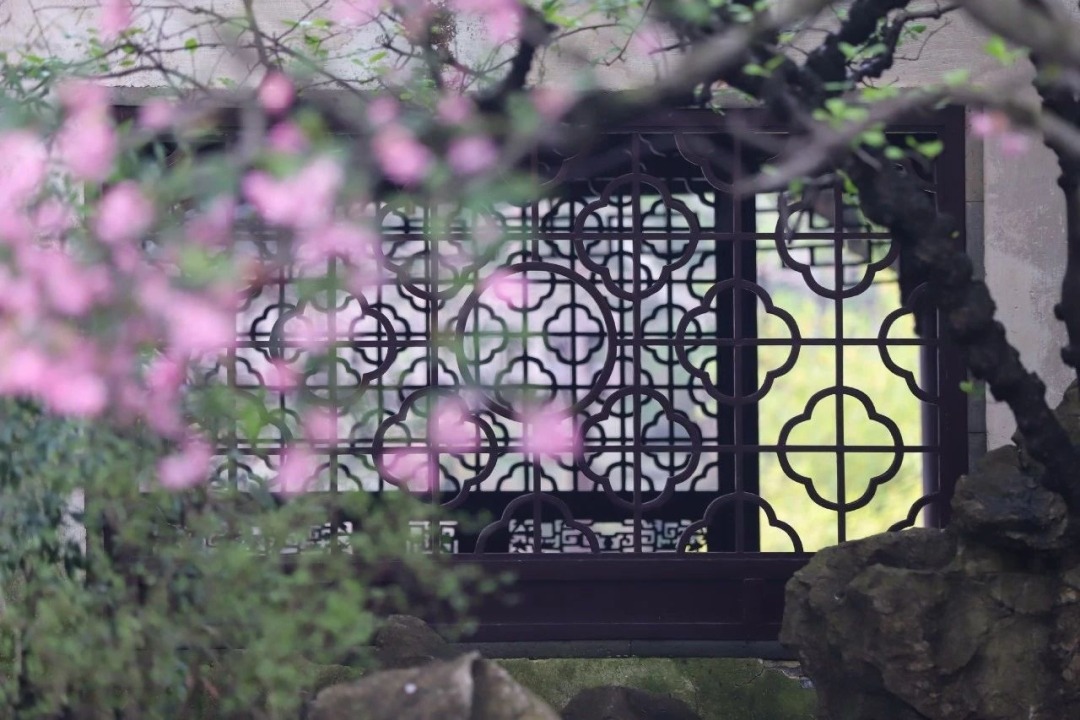
The genius is in the framing: moon gates, latticed windows and covered walkways turn every step into a composed view — a pagoda borrowed from outside the walls, a lotus pond glimpsed through a round portal, a pavilion reflected in still water. The southern quarter holds the Suzhou Garden Museum, the country's only museum devoted to garden art, which decodes the design language you have just been walking through.
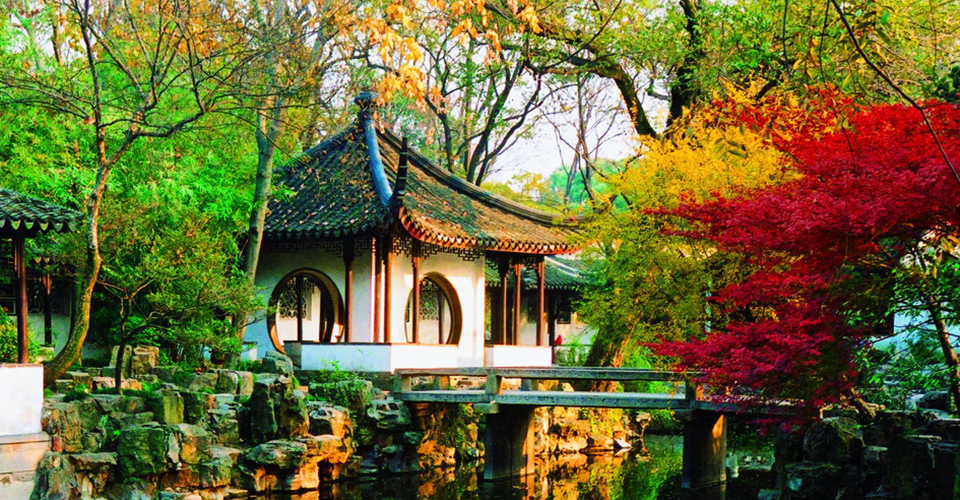
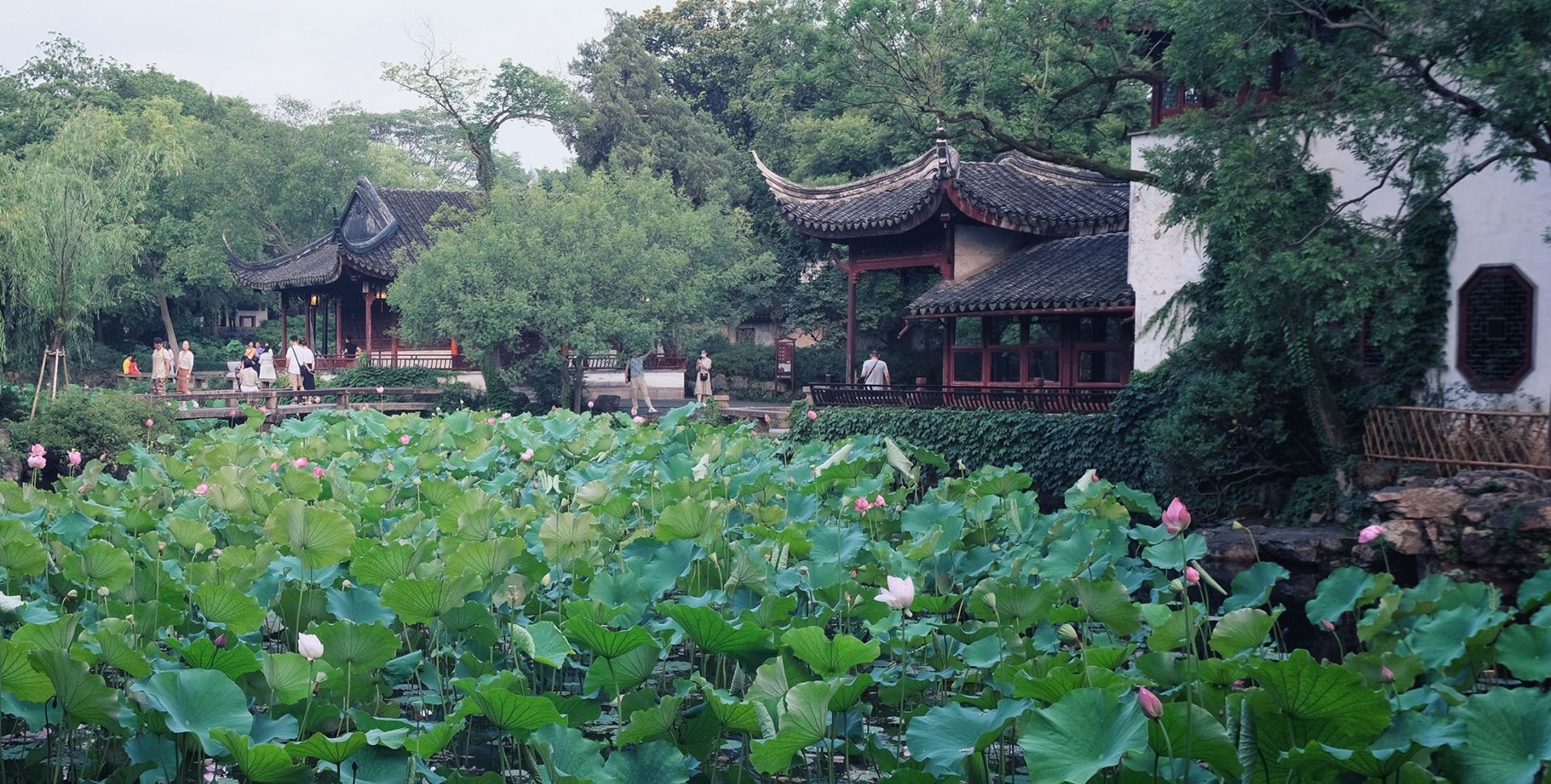
The garden changes costume with the seasons — azalea festival in spring, lotus across the summer ponds, and out-of-season chrysanthemum displays in autumn — each replacing the photography without ever touching the architecture.
Highlights
The Central Pond
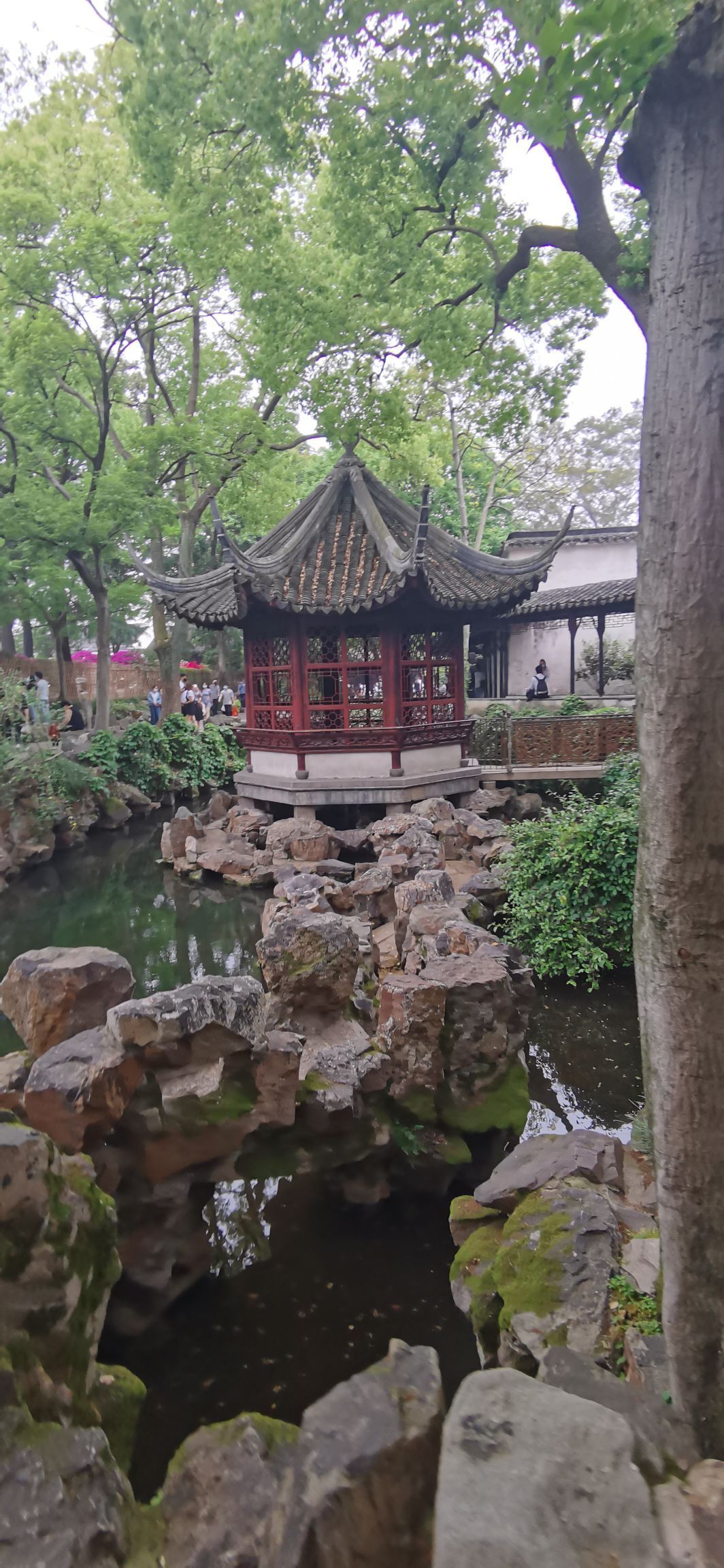
The garden's heart — an artificial mound rising from water, ringed by pavilions that mirror at dawn.
With-Whom-Shall-I-Sit Pavilion
The famous 'fan' pavilion by the western pond, quoting Su Shi's line about the moon and the breeze.
Latticed Windows & Moon Gates
Corridors of patterned openings that crop the garden into a scrolling series of paintings.
Borrowed Scenery — North Temple Pagoda
A pagoda a mile outside the walls, folded into the garden's skyline as if it belonged.
Suzhou Garden Museum
The country's only garden-themed museum, at the southern entrance — models, plans and the philosophy behind it all.
Seasonal Flower Festivals
Azaleas in spring, lotus in summer, chrysanthemums in autumn — three gardens in one year.
Photo Gallery

Comments