 CHINA 5A TRAVEL
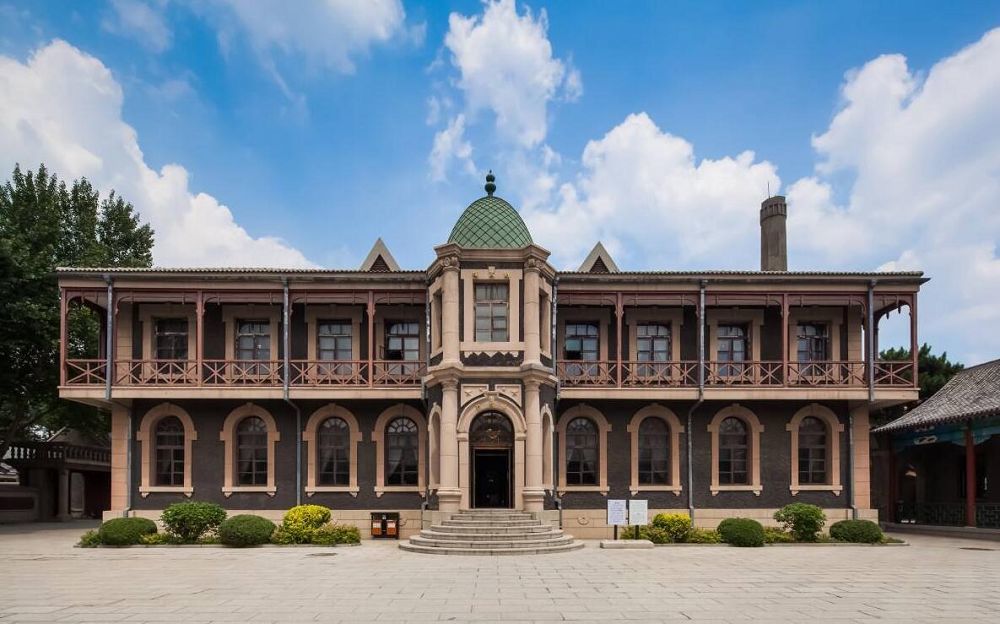
Puyi's puppet palace in Japanese-controlled Manchukuo, 1932–45 — today a first-class museum of gilded halls, gardens and unflinching history in Changchun.
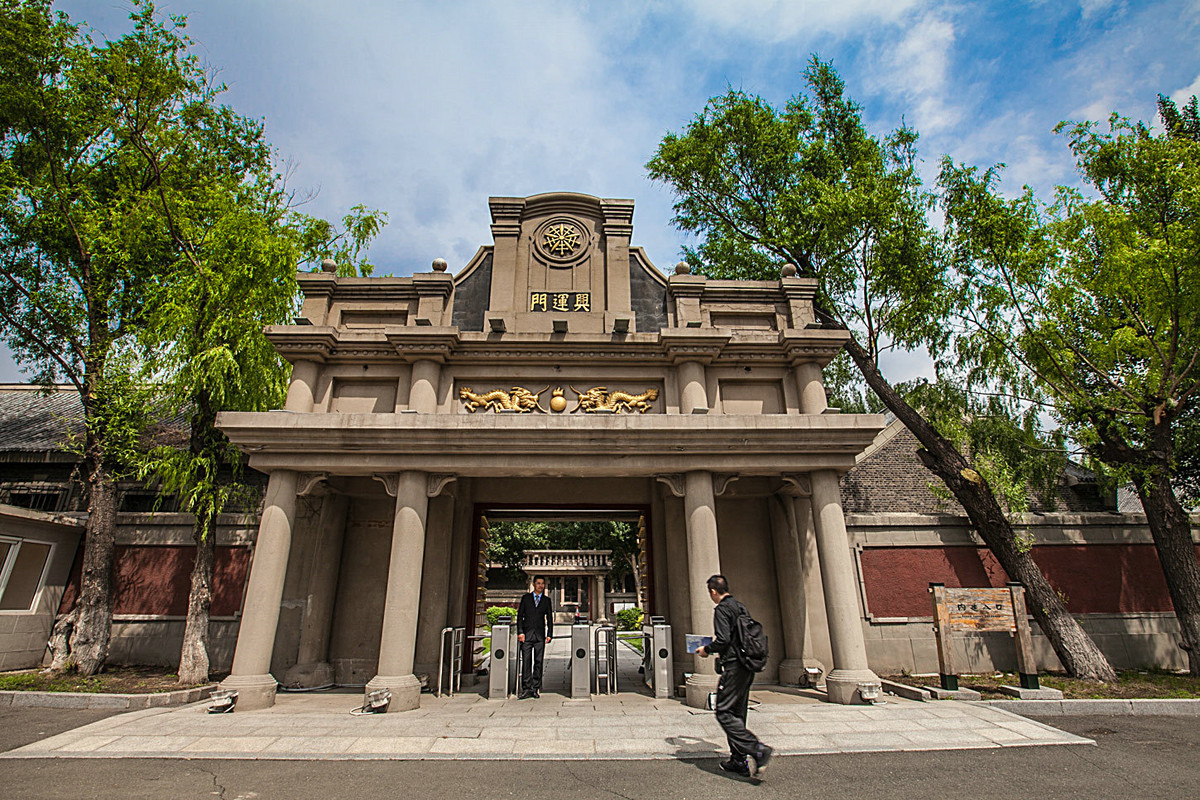
In 1932 Japan installed Puyi (爱新觉罗·溥仪), the twice-abdicated last emperor of the Qing dynasty, as ruler of Manchukuo, a puppet state carved from Northeast China. His court occupied a former salt-transport bureau compound in Changchun from April 1932 to August 1945, and that compound — restored and opened as the Museum of the Imperial Palace of Manchukuo (伪满皇宫博物院) — is now a National First-Class Museum, a first-batch national 5A scenic area (2007) and one of China's three surviving imperial palace sites alongside the Forbidden City and Shenyang's palace. Across roughly 25 hectares it preserves about 137,000 m² of buildings and a collection exceeding 70,000 relics.
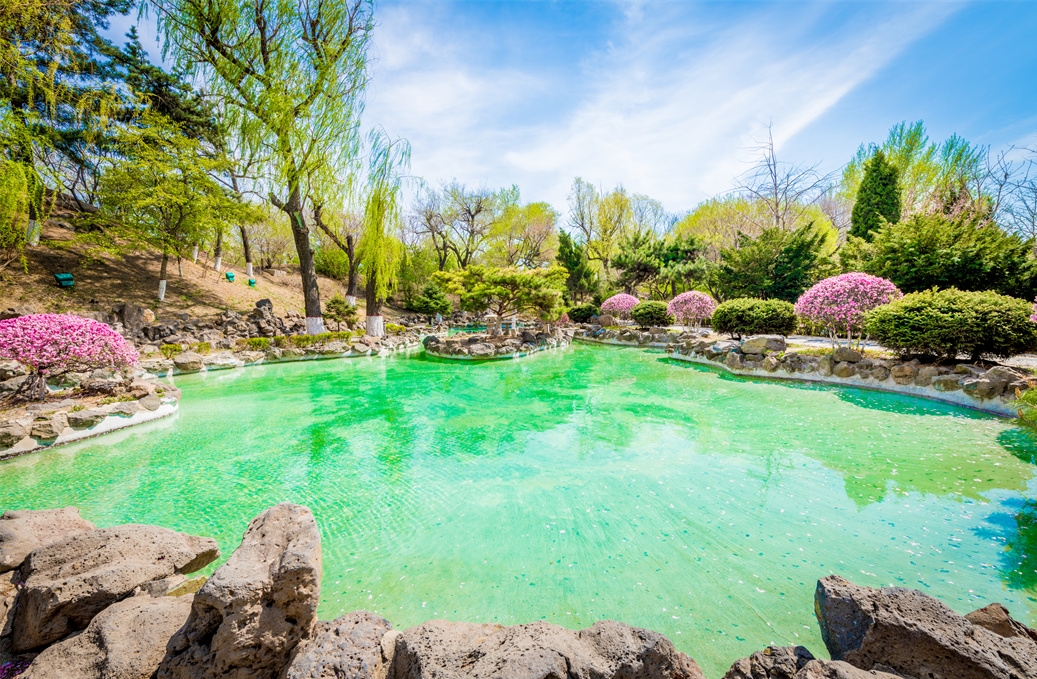
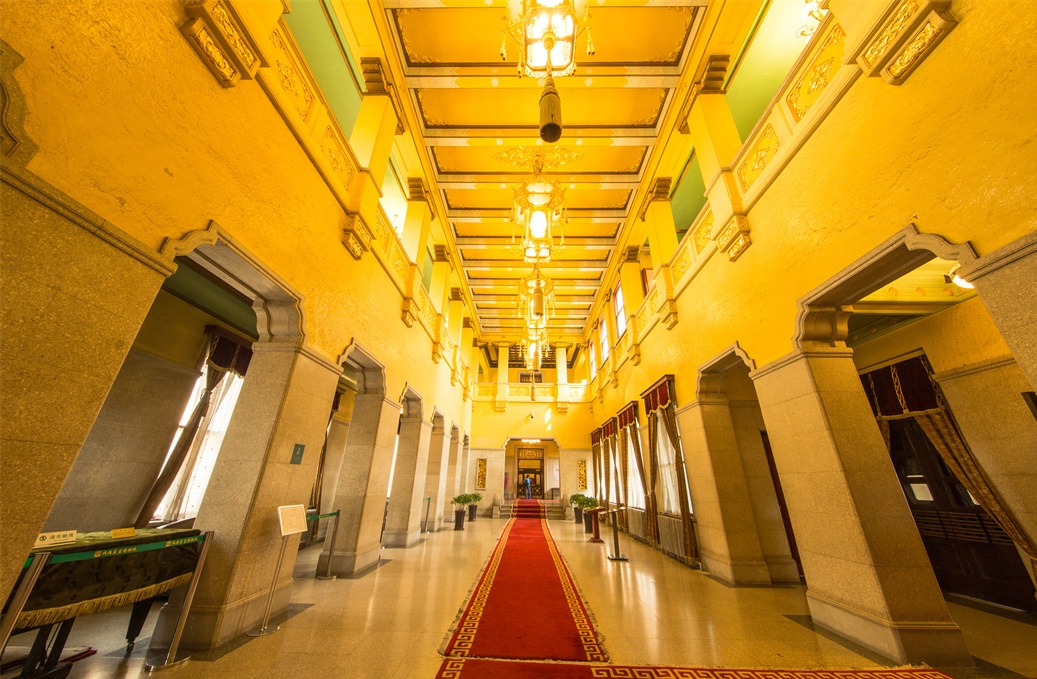
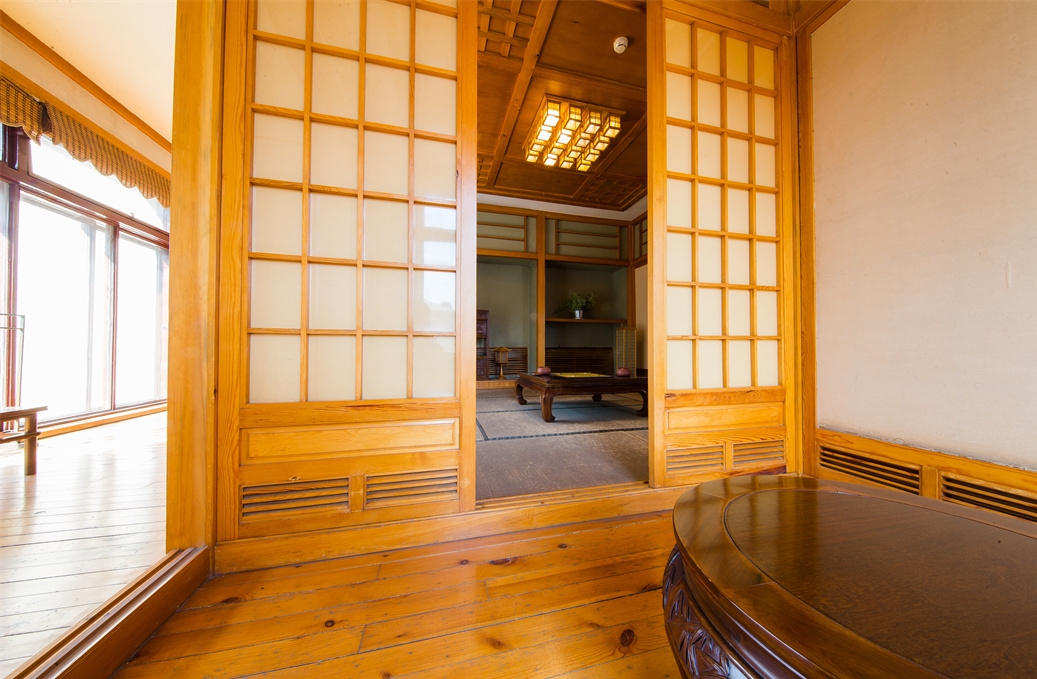
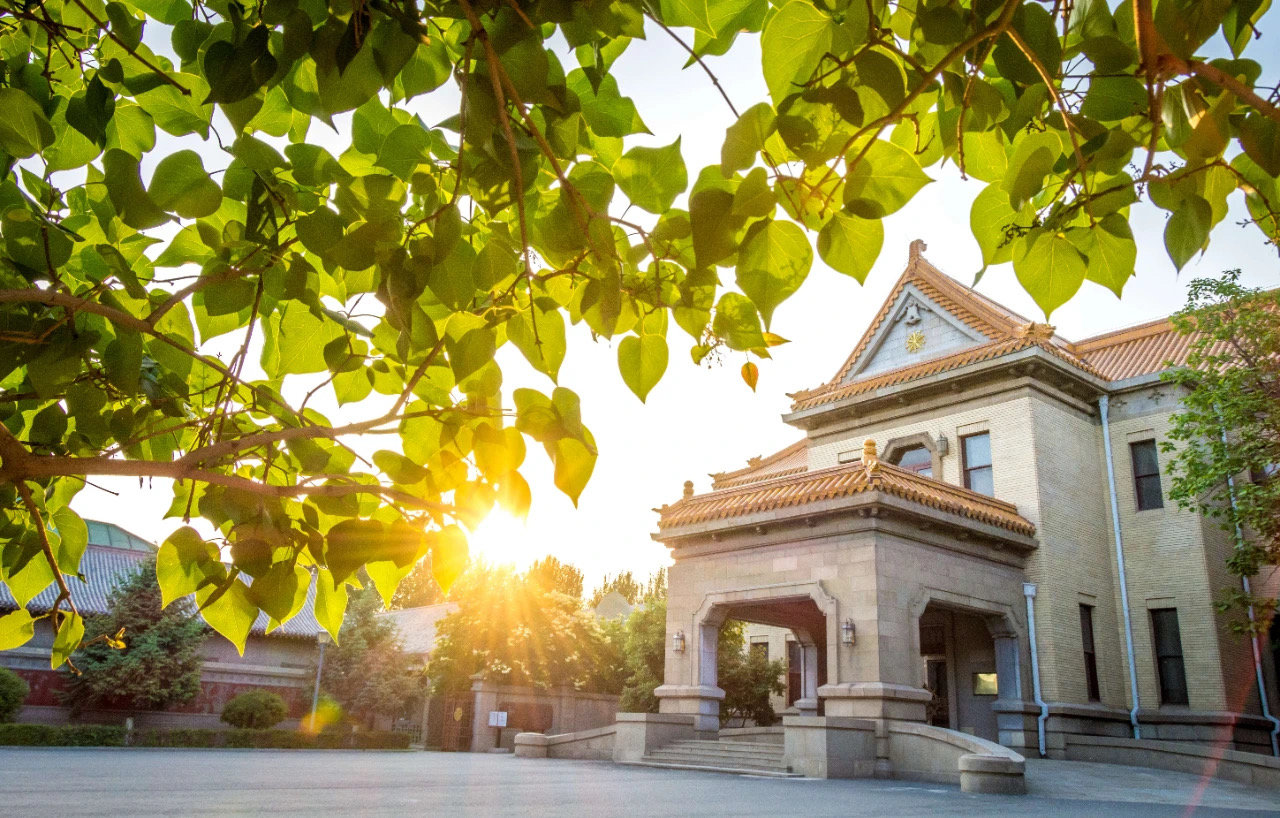
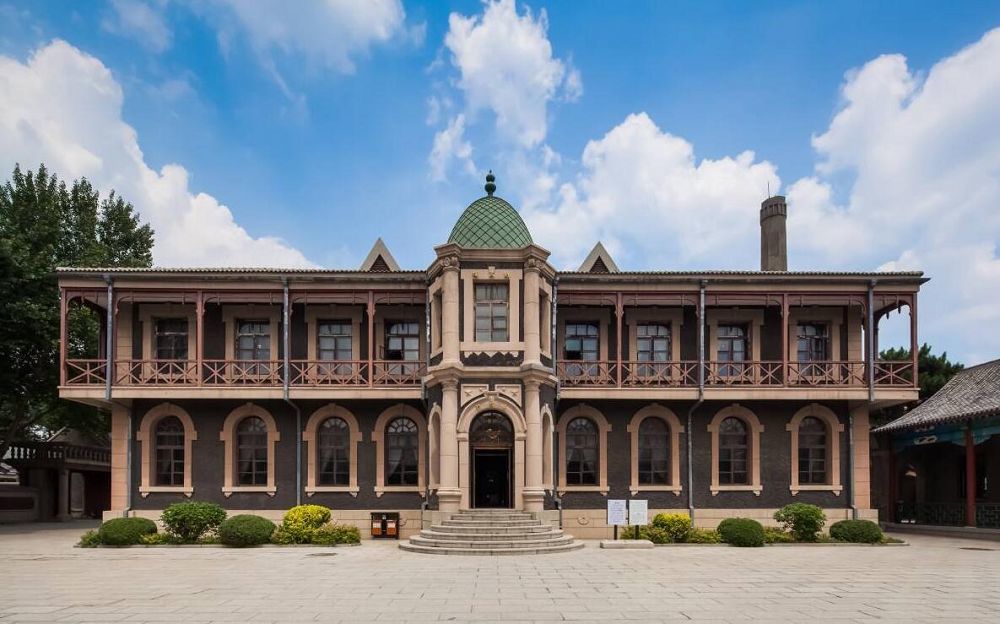
The palace splits at the Zhonghe Gate (中和门) into Outer Court and Inner Court. In the Outer Court, the Qinmin Building (勤民楼) holds the hall of Puyi's 1934 'enthronement', its orchid-crest throne and the table where the Japan–Manchukuo Protocol was signed, while the Huaiyuan Building displays his bulletproof limousine. The Inner Court is more intimate and more haunting: the Jixi Building (缉熙楼), Puyi's home for nearly fourteen years, keeps his bedroom, study and Buddhist altar beside Empress Wanrong's quarters; the vast Tongde Hall (同德殿) fuses Chinese roofs, a Western grand lobby and Japanese rooms around a cinema and billiard salon — with concealed listening posts that kept its nominal master from ever sleeping there. The East Imperial Garden, all Japanese landscaping, Changbai-style rockery and koi ponds, is the compound's most photogenic corner.
Visiting is deliberately reflective. The free Northeast Occupation History Exhibition Hall (东北沦陷史陈列馆), attached on the east, documents the fourteen-year occupation with more than 1,200 photographs and 1,000 artifacts, and 'From Emperor to Citizen' follows Puyi through his extraordinary afterlife. English-language audio guides and a classic west-to-east circuit make a half day comfortable; the result is one of China's most absorbing museums — beautiful architecture in service of an unflinching history lesson.
Highlights
Qinmin Building — the Puppet Throne
The hall of Puyi's 1934 'enthronement', the orchid-crest throne room and the Japan–Manchukuo Protocol signing table — the Outer Court's stage-managed heart.
Jixi Building — the Gilded Cage
Puyi's residence for nearly fourteen years: his bedroom, study and Buddhist altar, Empress Wanrong's rooms — the compound's most atmospheric interior.
Tongde Hall — Three Nations, One Roof
The largest and grandest palace building: Chinese rooflines, a Western grand lobby, Japan rooms, cinema and billiards — plus the hidden wiretap rooms Puyi feared.
East Imperial Garden
A 1938 Japanese-style garden with a Changbai-inspired rockery, koi pond, imperial swimming pool, air-raid shelter and the razed Jianguo Shrine site.
Northeast Occupation History Exhibition Hall
The free annex telling the fourteen-year occupation through 1,200+ photos and 1,000+ artifacts, capped by 'From Emperor to Citizen' — Puyi's life after the throne.
Beyond the Palace Walls
The Museum's Eye Art Palace and M+ Creative District extend the visit with contemporary art, cultural-creative shops and an 1889 American-built steam locomotive.
Photo Gallery
Comments