 CHINA 5A TRAVEL
Sun Moon Lake's 'sister lake' — Asia's largest man-made forest sea round a 1934 crescent lake at Changchun's edge, with boardwalks, blue ice and city skiing.
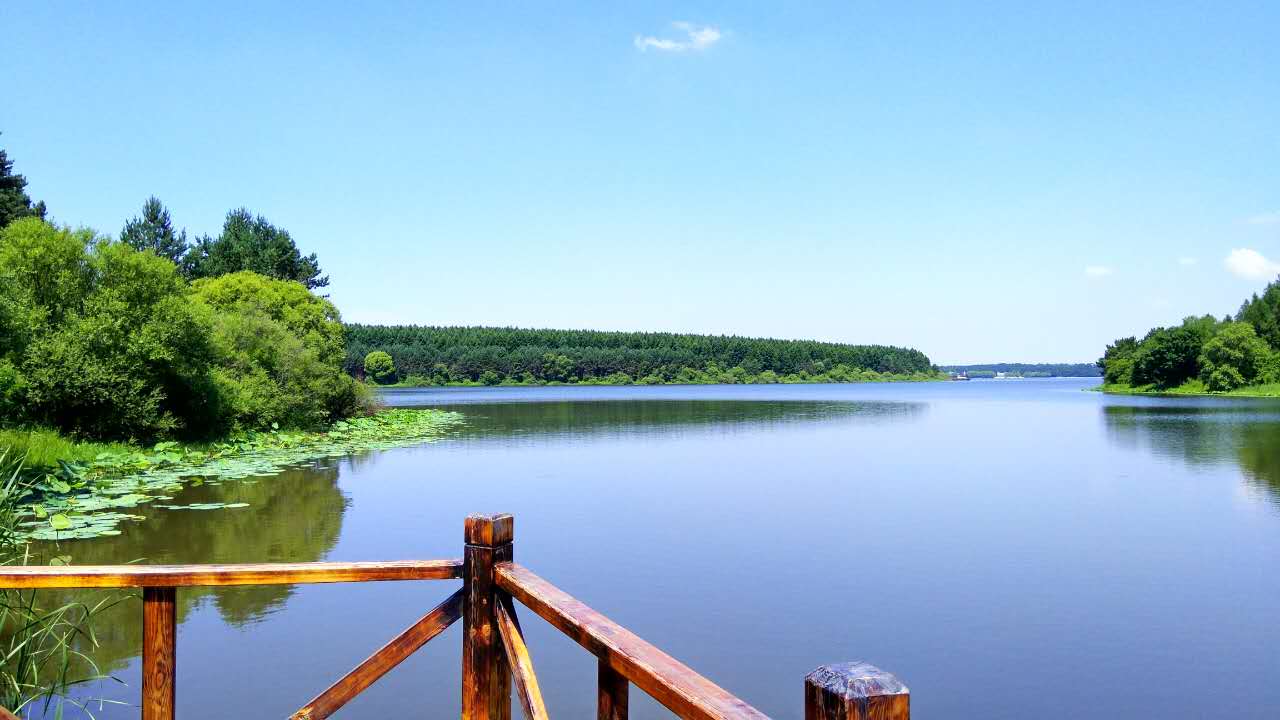
Jingyuetan (净月潭, 'Clear Moon Lake') is a landscape built twice over. Between 1934 and 1936 engineers dammed a valley to give the young city of Changchun its drinking water; from 1935 onward, foresters planted Mongolian Scots pine, black pine, Korean pine and larch around the new reservoir until forest covered more than 96% of its 96.38 km² — creating the largest man-made forest sea in Asia, now a national 5A scenic area on the city's southeast edge. The impounded water bends in a crescent, hence the moon in the name — and that shared moon makes it the sworn sister lake of Taiwan's Sun Moon Lake, a kinship sealed with a waters-mingling ceremony at Wangtan Bridge.
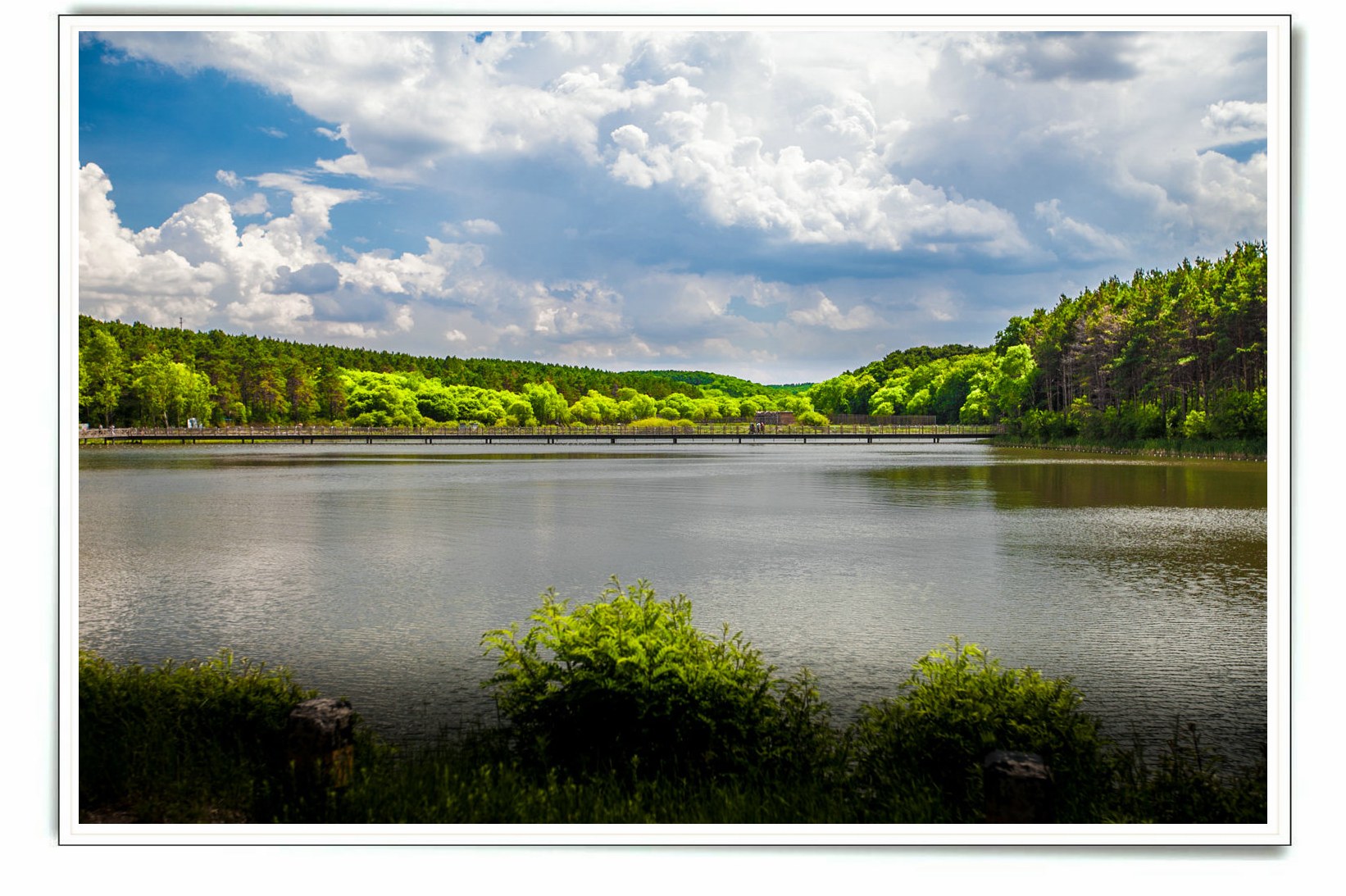
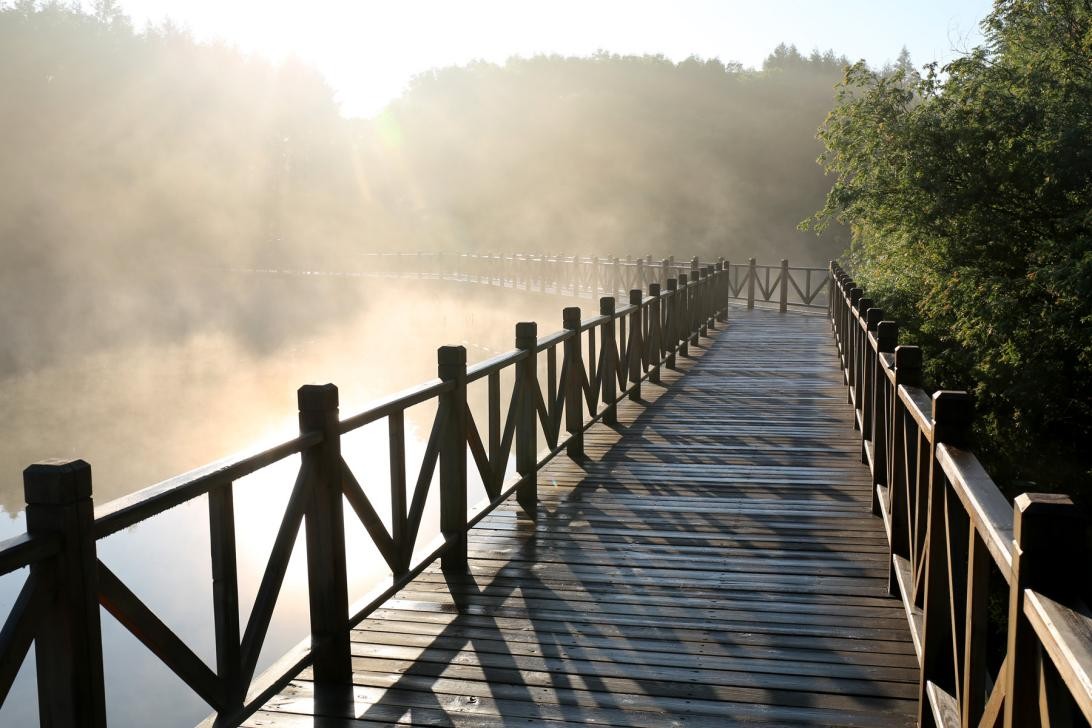
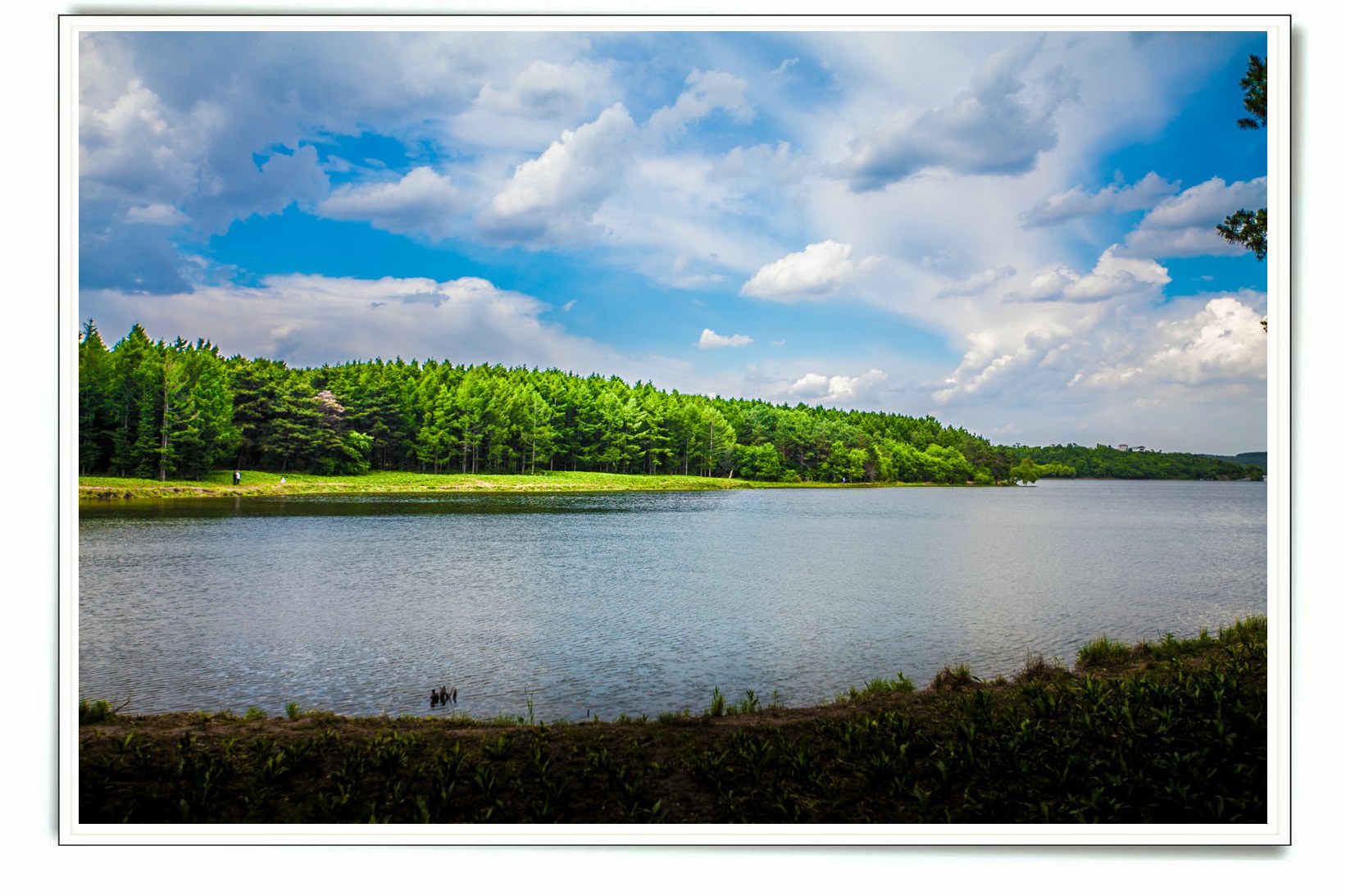
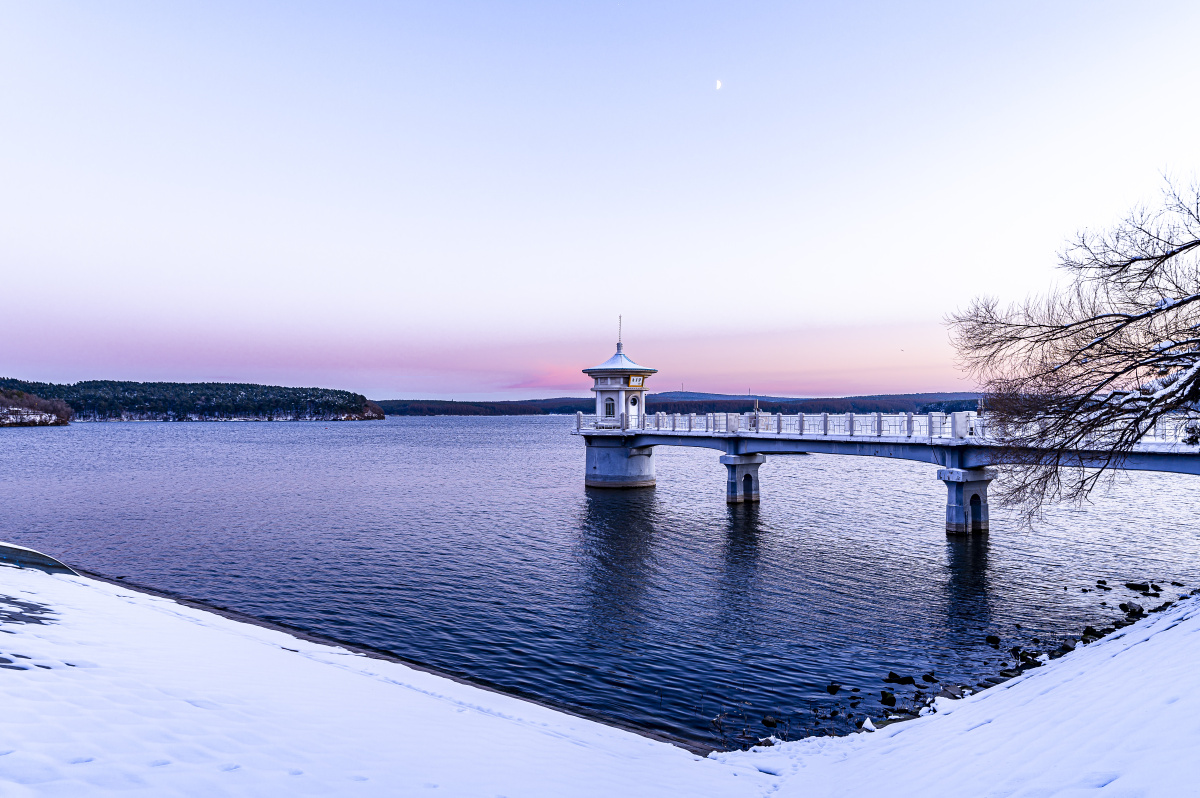
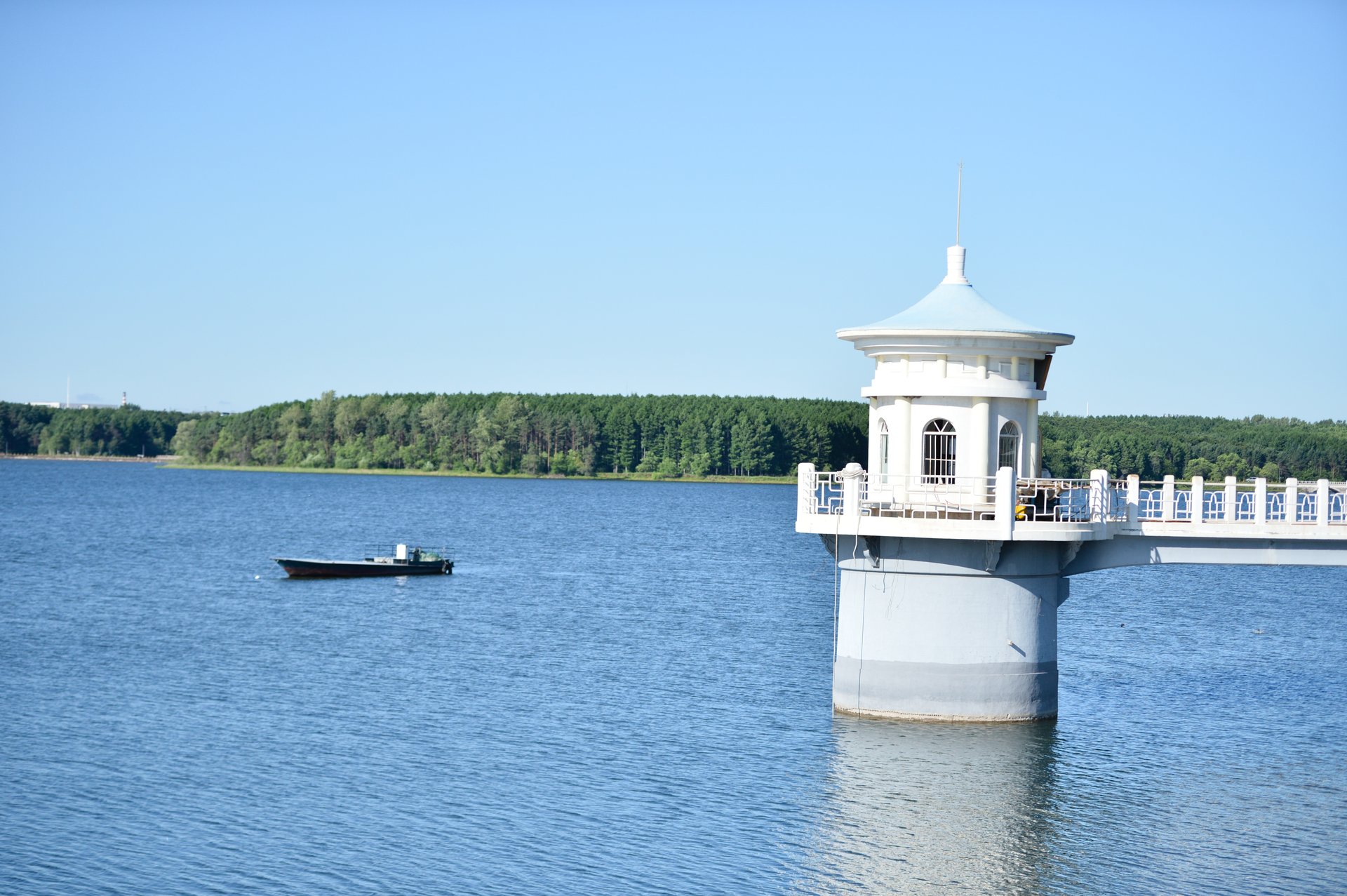
On the ground the numbers become feelings: a 5.3-km² lake, some thirty tree species, and negative-oxygen-ion counts of 3,000–5,000 per cm³ in the Forest Bathing Spot, a 40,000-m² grove of pines planted in a single year, 1955. A 14-km boardwalk stitches forest to water; a sealed ring road loops the whole lake in 17 km — three to five hours on foot, comfortably under two by e-assist bike — and the 555-metre earthen dam swings open the park's one wide-water panorama, past the 1936 Water Release Tower to the blue pavilion made famous by the TV drama 'A Lifelong Journey'. The honours stack up — National Key Scenic Area in 1988, National Forest Park in 1989, the 5A rating in 2011, 'Divine Beauty of Jingyue' among the Eight Scenic Views of Jilin — but locals keep it simple: this is the city's oxygen bar.
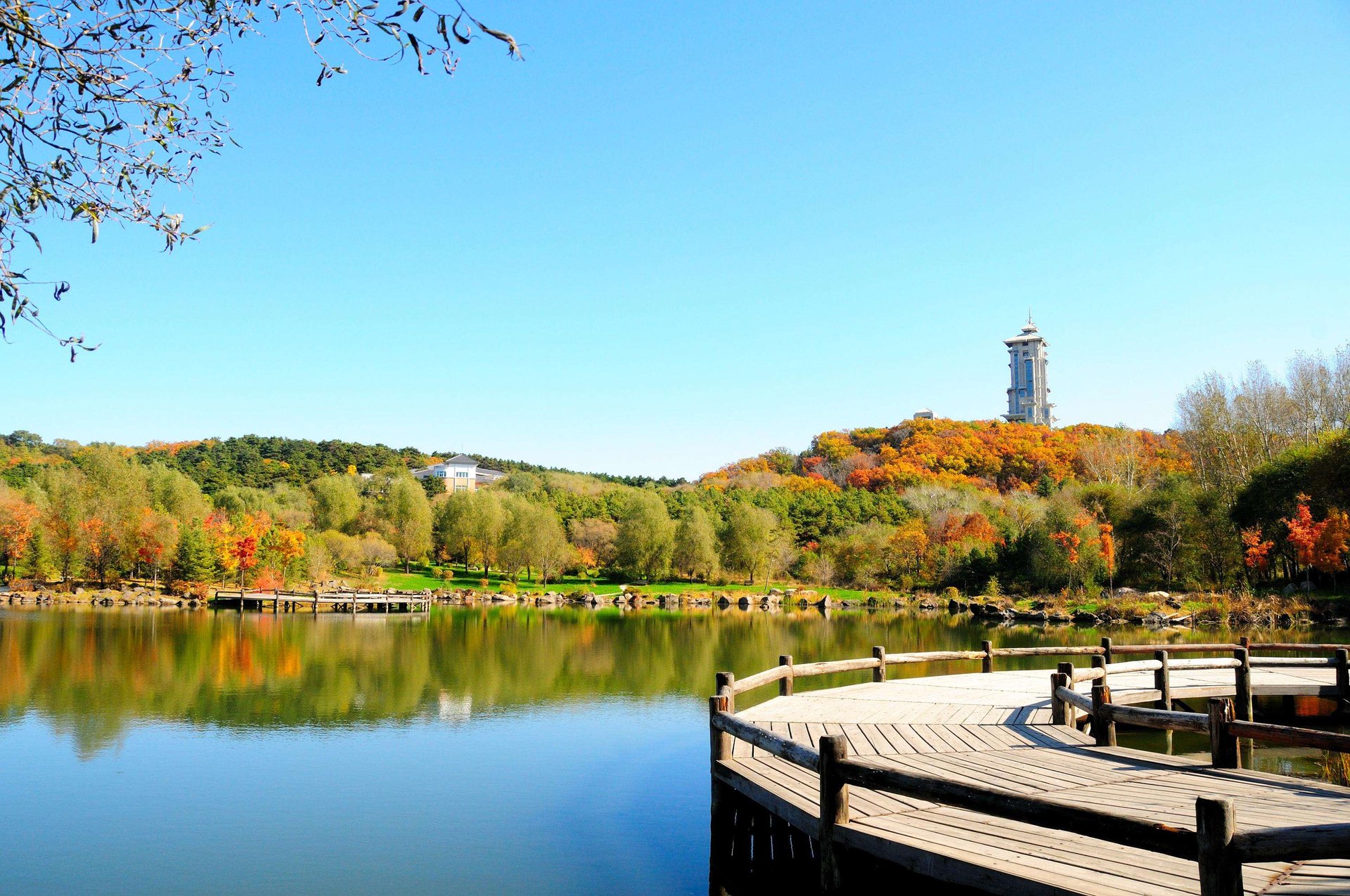
Then there are the seasons. Summer sells 22°C shade under the pines; late September to mid October sets the canopy gold and crimson; and winter opens a second park entirely — Jingyue Snow World carves some 80,000 m³ of snow into sculpture and jewel-blue 'Jingyue blue ice', a city ski field lights its night runs, and every January since 2003 the Vasaloppet International Ski Festival, China's only Worldloppet stage, brings thousands of cross-country skiers to the lake. Entry costs ¥30 (half price for students, under-18s and senior concessions), gates run 5:00–20:00 in summer and 6:00–19:00 in winter, and private cars stay outside: this is a park met on foot, by sightseeing bus, bike, boat or skis.
Highlights
Jingyue Goddess & Goddess Square
An 8.2-metre bronze goddess reclining on a crescent moon anchors the Main Gate plaza, with musical-fountain and water-screen shows jetting up to 60 metres — the park's emblem and first photo stop.
The 555-Metre Dam & Blue Pavilion
Walk the long earthen dam past the 1936 Water Release Tower to the blue pavilion of 'A Lifelong Journey' fame — the park's open-water panorama, with the boat docks (including two-decker 'Sun Moon Lake No. 1') at the east end.
Forest Bathing Spot
A 1955 grove of uniformly planted Mongolian Scots pine on fossil-bearing stone paths, breathing out 3,000–5,000 negative oxygen ions per cm³ — the deep-breath heart of the forest sea.
Boardwalk & the 17-km Lake Loop
A 14-km wooden boardwalk threads water and trees; the full sealed loop rings the lake in 3–5 hours on foot or an easy 1.5–2.5-hour e-bike glide with photo stops.
Vasaloppet Museum & Reindeer Pen
China's first museum of the Swedish cross-country ski race — Dala horses, century-old skis gifted by the Swedish royal family — beside a reindeer enclosure and a forest coffee house.
Ski Field, Snow World & Blue Ice
Five runs from late November plus chairlift-toboggan and the Starry Sky Cable Car; Snow World's blue-ice installations and frozen roses; each January the Vasaloppet festival turns the lake into a Worldloppet stage.
Photo Gallery
Comments